


Different types of personality tests explained
How can organizations choose the right people, develop stronger leaders, and build more effective teams when skills and experience do not tell the full story? This is where personality tests explained becomes valuable, because these assessments help companies understand how people communicate, make decisions, handle pressure, and work with others.
For businesses, personality testing is not about labeling employees. It is about gaining practical insight into workplace behavior, leadership potential, team dynamics, and development needs. When used correctly, these assessments can support smarter hiring, better coaching, stronger collaboration, and more informed talent decisions.
In this article, we explain the different types of personality tests, what each assessment measures, how organizations use them in the workplace, and how to choose the most appropriate test for specific business goals.
Different Types of Personality Tests Explained
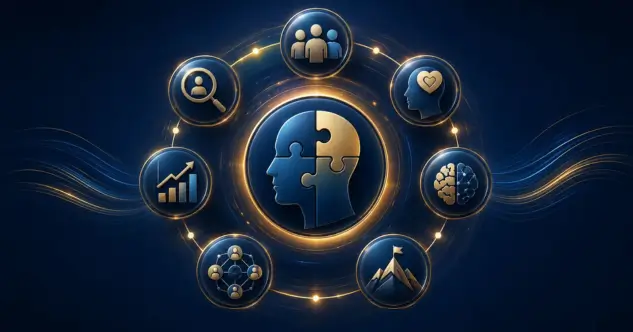
Understanding personality tests explained helps organizations select the most appropriate assessment for recruitment, leadership development, and employee growth. The main types of personality tests include:
1. DISC Assessment:
The DISC Assessment is one of the most widely used workplace personality assessments. It focuses on understanding how individuals typically communicate, interact with others, approach tasks, and respond to challenges in professional environments. Rather than evaluating intelligence, skills, or technical competencies, DISC helps organizations gain insight into behavioral styles that can influence teamwork, leadership, communication, and workplace performance.
What it measures:
DISC evaluates four primary behavioral styles: Dominance, Influence, Steadiness, and Conscientiousness.
How organizations use it:
Organizations often use DISC to improve communication, reduce workplace conflicts, and strengthen collaboration between team members. For example, a sales team may benefit from understanding which employees are naturally persuasive and relationship-focused, while operational roles may require individuals who are more detail-oriented and process-driven.
2. Myers-Briggs Type Indicator (MBTI)
The MBTI is one of the most recognized personality assessments used in professional and organizational settings. It is designed to help individuals understand how they prefer to communicate, process information, make decisions, and interact with the world around them. The assessment groups people into personality types based on their natural preferences, providing insight into different working styles, communication approaches, and problem-solving tendencies.
What it measures:
MBTI categorizes individuals into personality types based on how they gain energy, process information, make decisions, and interact with the world around them.
How organizations use it:
Many organizations use MBTI for leadership development, team-building workshops, and improving workplace communication. The assessment helps employees understand different working styles and recognize why colleagues may approach tasks, decisions, and problem-solving differently.
3. The Big Five Personality Assessment
The Big Five Personality Assessment is a research-based personality model widely used in psychology, organizational development, and talent management. Unlike assessments that place individuals into specific personality types, the Big Five evaluates personality across five broad dimensions that influence how people think, behave, communicate, and respond to different situations. Because of its strong scientific foundation, it is often considered one of the most reliable personality frameworks for understanding workplace behavior.
What it measures:
The Big Five evaluates five broad personality dimensions: Openness, Conscientiousness, Extraversion, Agreeableness, and Emotional Stability.
How organizations use it:
Because it is strongly supported by psychological research, many organizations use the Big Five when evaluating leadership potential, job fit, and employee development. It provides a more detailed picture of workplace behavior than many type-based assessments.
4. Enneagram Personality Assessment
The Enneagram Personality Assessment is a personality framework that categorizes individuals into nine distinct personality types, each driven by different motivations, fears, and behavioral patterns. Unlike many workplace assessments that focus primarily on observable behavior, the Enneagram aims to provide deeper insight into why people think, feel, and act the way they do. This makes it particularly useful for understanding personal motivations, interpersonal dynamics, and areas for growth.
What it measures:
The Enneagram identifies nine personality types based on core motivations, fears, and behavioral patterns.
How organizations use it:
Organizations often use the Enneagram in coaching and leadership programs to help employees understand their motivations, emotional triggers, and interpersonal dynamics. This can improve self-awareness and workplace relationships.
5. Emotional Intelligence (EQ) Assessments
Emotional Intelligence (EQ) Assessments are designed to evaluate how individuals recognize, understand, and manage emotions in themselves and others. Rather than focusing on personality traits or behavioral styles alone, these assessments examine emotional awareness, self-regulation, empathy, relationship management, and social interaction skills. Emotional intelligence is often considered a key factor in effective communication, leadership, and workplace relationships.
What it measures:
EQ assessments evaluate self-awareness, emotional regulation, empathy, relationship management, and social skills.
How organizations use it:
These assessments are commonly used when developing leaders and managers. Employees with strong emotional intelligence are often better equipped to handle conflict, motivate teams, and build positive workplace cultures.
6. Leadership Personality Assessments
Leadership Personality Assessments are specialized assessments designed to help organizations understand the behavioral tendencies, leadership styles, strengths, and development areas of current and future leaders. These assessments focus on characteristics that can influence how individuals lead teams, make decisions, communicate with others, manage challenges, and drive organizational performance.
What it measures:
These assessments focus specifically on leadership behaviors, decision-making styles, influence patterns, resilience, and management approaches.
How organizations use it:
Organizations use them to identify high-potential employees, support succession planning, and create targeted leadership development programs.
7. Team and Workplace Assessments
Team and Workplace Assessments are designed to help organizations understand how employees interact, collaborate, communicate, and contribute within a team environment. Rather than focusing solely on individual personality traits, these assessments examine workplace dynamics, team roles, collaboration preferences, and factors that can influence overall team performance and productivity.
What it measures:
These assessments examine how individuals work within teams, collaborate with colleagues, respond to feedback, and contribute to group performance.
How organizations use it:
Companies often use these tools to improve team effectiveness, understand workplace dynamics, and build stronger cross-functional collaboration.
Each personality assessment serves a different purpose, which is why organizations should select tests based on specific business objectives rather than relying on a single assessment for every situation. The most effective approach is to match the assessment to the decision being made, whether it involves recruitment, leadership development, employee coaching, or team performance improvement.
For a broader understanding of personality assessments, explore The Ultimate Guide to Personality Assessment.
Why Are Personality Tests Important for Organizations?

Psychology Today reports that around 80% of Fortune 500 companies use personality tests for employee assessment, coaching, development, and team building. This widespread use shows why having personality tests explained clearly matters for organizations that want to improve hiring decisions, leadership development, employee growth, and team effectiveness. Their importance can be seen in several areas:
- Improving hiring decisions: Personality assessments help organizations gain a broader understanding of candidates beyond qualifications and experience, making it easier to identify individuals who are likely to fit specific roles and workplace environments.
- Supporting leadership development: Assessment results can reveal leadership strengths, communication styles, decision-making patterns, and development opportunities, helping organizations prepare future leaders more effectively.
- Strengthening teamwork and collaboration: Understanding personality differences can help employees work together more effectively, reduce workplace misunderstandings, and improve collaboration across teams.
- Enhancing employee development: Organizations can use assessment insights to create more personalized development plans that build on strengths while addressing areas for improvement.
- Improving workplace communication: Personality assessments help managers and employees understand different communication preferences, leading to more productive interactions and stronger professional relationships.
- Supporting talent management and succession planning: Organizations can identify high-potential employees and make more informed decisions about future leadership and career development opportunities.
How to Choose the Right Personality Test for Your Organization?
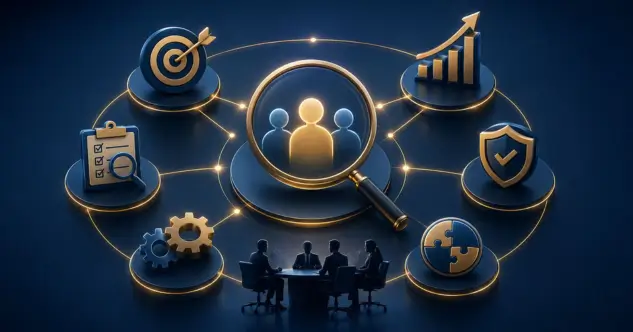
Organizations that understand personality tests explained are often better positioned to select assessments that align with their business objectives. The following factors can help organizations select the most appropriate assessment:
1- Define the purpose of the assessment:
Before selecting a test, organizations should identify their objective. Some assessments are better suited for recruitment, while others are designed for leadership development, team-building, coaching, or employee growth.
2- Consider what the test measures:
Different assessments focus on different aspects of personality. Some measure behavioral styles, others evaluate personality traits, emotional intelligence, leadership tendencies, or workplace preferences.
3- Look for scientific credibility:
Organizations should prioritize assessments that are supported by psychological research and have demonstrated reliability and validity. This helps ensure that the results provide meaningful and consistent insights.
4- Match the assessment to the role or business need:
The most effective assessment is one that aligns with the specific requirements of the position, team, or development program being evaluated.
5- Focus on practical application:
Assessment results should provide insights that can be applied in real workplace situations, such as improving communication, supporting leadership development, strengthening collaboration, or enhancing performance.
6- Use assessments as part of a broader evaluation process:
Personality tests should complement interviews, performance reviews, skills assessments, and other evaluation methods rather than serve as the sole basis for important decisions.
By selecting the right assessment for the right purpose, organizations can gain more valuable insights and make better-informed decisions regarding recruitment, talent development, leadership growth, and team effectiveness.
If your organization is looking for tailored development programs that align with specific business goals, explore Customized Training Solutions for Companies from Klar, designed to support leadership development, team effectiveness, and long-term organizational growth.
Common Limitations of Personality Tests
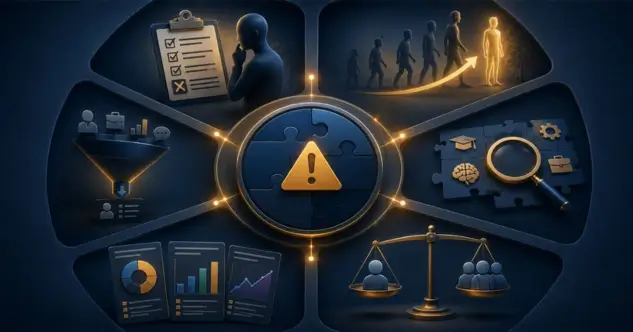
While understanding personality tests explained is important, they also have limitations that organizations should understand before using the results in recruitment, development, or leadership decisions, including:
- Results depend on honest responses: Most personality tests rely on self-reported answers. If participants intentionally or unintentionally provide inaccurate responses, the results may not fully reflect their actual behavior or preferences.
- Personality can change over time: Although many personality traits remain relatively stable, personal experiences, professional development, training, and life circumstances can influence how individuals think, behave, and interact with others.
- Assessments do not measure all factors related to performance: Personality tests may provide insight into behavioral tendencies, but they do not evaluate technical skills, experience, knowledge, intelligence, or job-specific competencies that also contribute to workplace success.
- Results should not be used in isolation: Relying solely on personality assessments can lead to incomplete decisions. Organizations should combine assessment results with interviews, skills evaluations, performance data, and other relevant information.
- Different tests may produce different insights: Because personality assessments are based on different theories and measurement methods, results can vary depending on the test being used and the purpose of the assessment.
- People are more complex than assessment results: No personality test can fully capture every aspect of an individual’s character, motivations, experiences, and behavior. Assessment results should be viewed as useful indicators rather than fixed definitions of who a person is.
Conclusion
Understanding personality tests explained from a business perspective is not simply about learning the differences between various assessments. The real value lies in selecting the right tool for the right objective, whether that objective is recruitment, leadership development, employee growth, or team effectiveness.
Because each assessment measures different aspects of personality and behavior, organizations that approach personality tests explained strategically can focus on their specific goals before choosing a test. When used appropriately and alongside other evaluation methods, personality assessments can provide valuable insights that support better decision-making, stronger teams, more effective leaders, and long-term organizational success.
FAQ
What are the 5 types of personality test?
The five-factor model of personality is a hierarchical organization of personality traits in terms of five basic dimensions: Extraversion, Agreeableness, Conscientiousness, Neuroticism, and Openness to Experience.
What is a type 1, 2, 3, 4 personality?
The numbers 1 through 4 refer to the first four profiles in the Enneagram of Personality, a framework that maps human behavior based on core motivations, fears, and emotional coping mechanisms.
Can your MBTI type change?
The answer may be a little confusing. Yes, people’s personalities do change, but personality type doesn’t.
What is the personality test with 9 types?
The Enneagram is a system of personality that describes people in terms of nine personality types, each with its own core motivations, fears and internal dynamics.