


Benefits of personality testing in the workplace
Why do some teams collaborate effortlessly while others struggle with communication, conflict, or inconsistent performance despite having talented employees? In many cases, the challenge is not a lack of skills or experience but a lack of understanding of how people think, communicate, and respond to different workplace situations.
This is one reason why personality testing has become increasingly common in modern organizations. Rather than relying solely on resumes, interviews, or performance metrics, employers use personality assessments to gain deeper insights into employee behavior, working styles, leadership potential, and team dynamics.
Understanding the benefits of personality testing can help organizations make better hiring decisions, strengthen collaboration, support employee development, and create more effective workplace environments. In this article, we explore the key advantages of personality testing and how businesses can use these insights to improve individual and organizational performance.
Key Benefits of Personality Testing for Organizations

The benefits of personality testing extend beyond hiring and can support leadership development, team effectiveness, employee growth, and many other workplace outcomes, including:
- Improves hiring decisions: Personality assessments help organizations identify candidates whose working styles, behavioral tendencies, and communication preferences align with specific roles and company culture.
- Enhances team collaboration: Understanding different personality profiles can reduce misunderstandings, improve communication, and help teams work together more effectively.
- Supports leadership development: Organizations can identify leadership strengths, development opportunities, and management styles, making it easier to prepare future leaders.
- Strengthens employee development programs: Personality insights help companies create more targeted learning, coaching, and development initiatives based on individual needs.
- Improves workplace communication: By understanding how employees prefer to communicate, organizations can build stronger working relationships and reduce unnecessary conflicts.
- Increases employee engagement: Employees who better understand their strengths, motivations, and work preferences often feel more connected to their roles and development opportunities.
- Supports succession planning: Personality assessments can provide additional insights when identifying employees with the potential to take on future leadership or strategic responsibilities.
- Helps build balanced teams: Organizations can use personality data to create teams with complementary strengths rather than groups with similar working styles that may limit effectiveness.
For a broader understanding of benefits of personality testing, explore the Ultimate guide to personality Assessments.
How Personality Testing Supports Better Workplace Decisions
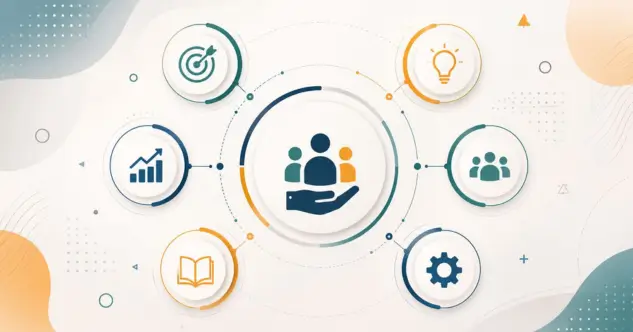
According sigmundtest, using structured personality and cognitive testing increases the predictive validity of hiring decisions by up to 45% compared to traditional unstructured interviews. It helps to:
- Hiring decisions: Personality assessments help organizations evaluate whether a candidate’s working style, communication preferences, and behavioral tendencies align with the requirements of a specific role and the company’s work environment.
- Promotion decisions: Assessment results can provide additional insight into whether an employee demonstrates traits that support success in positions with greater responsibility, collaboration, or leadership requirements.
- Leadership identification: Organizations can use personality insights to identify employees who show characteristics associated with leadership potential, such as adaptability, decision-making ability, emotional awareness, and communication effectiveness.
- Team placement: Understanding personality differences can help managers build teams with complementary strengths and working styles, improving collaboration and reducing unnecessary workplace friction.
- Employee development planning: Personality assessments can help organizations create more targeted training, coaching, and development programs based on individual strengths and areas for improvement.
- Succession planning: Companies can use personality insights alongside performance and experience data when identifying employees who may be suitable for future leadership or strategic roles.
When combined with interviews, performance evaluations, and other assessment methods, personality testing can support more balanced and informed workplace decisions.
What Makes a Workplace Personality Assessment Effective?

To achieve the full benefits of personality testing, organizations need to use assessments that are scientifically valid, reliable, and relevant to workplace objectives. Effective assessments share several important characteristics:
- Scientific validity: The assessment should measure the traits it is designed to evaluate and be supported by established psychological research.
- Reliability and consistency: Employees should receive reasonably consistent results over time when their underlying personality traits have not significantly changed.
- Relevance to workplace objectives: The assessment should provide insights that can support hiring, leadership development, team building, employee growth, or other organizational goals.
- Clear and actionable results: Reports should help organizations understand strengths, communication styles, development opportunities, and workplace behaviors in a practical way.
- Appropriate interpretation: Results should be reviewed within the context of the employee’s role, responsibilities, and work environment rather than viewed in isolation.
- Support for development: Effective assessments help organizations identify opportunities for learning, coaching, and career growth rather than simply categorizing employees.
- Fair and unbiased design: The assessment should be designed to minimize bias and provide a consistent experience for different groups of employees.
- Integration with other evaluation methods: The most effective organizations use personality assessments alongside interviews, performance reviews, skills assessments, and other decision-making tools rather than relying on a single source of information.
Common Mistakes Organizations Make When Using Personality Tests
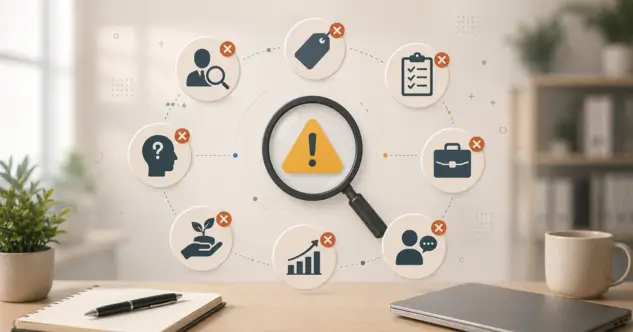
While personality assessments can provide valuable insights, organizations do not always use them effectively. Some common mistakes can reduce their value and lead to poor decision-making.
- Using personality tests as the only hiring tool: Personality assessments should complement interviews, skills evaluations, and experience reviews rather than replace them.
- Treating results as permanent labels: Personality profiles describe tendencies and preferences, not fixed abilities or limitations. Employees should not be restricted based solely on assessment results.
- Choosing assessments without scientific validation: Not all personality tests are supported by research. Using unvalidated assessments can produce unreliable or misleading results.
- Ignoring the requirements of the role: A personality profile that works well in one position may not be suitable for another. Results should always be interpreted within the context of the specific job.
- Overlooking employee development opportunities: Assessments should be used to identify strengths and growth areas, not only to evaluate or compare employees.
- Misinterpreting assessment results: Results should be reviewed by trained professionals or managers who understand how to apply personality insights appropriately.
- Using personality tests to predict performance alone: Workplace performance is influenced by many factors, including skills, experience, motivation, training, and organizational culture.
- Failing to communicate the purpose of testing: Employees are more likely to engage with assessments when organizations clearly explain how the results will be used and how they can benefit from the process.
How Klar Supports Workplace Personality Development?
Understanding personality assessment results is only valuable when organizations know how to apply those insights in real workplace situations. Klar helps organizations move beyond assessment results by providing practical learning experiences that support team development, workplace communication, leadership growth, and organizational effectiveness.
Organizations looking to strengthen collaboration, improve team dynamics, and better understand behavioral differences can explore Klar’s Group Personality Analysis Course. For companies seeking tailored development programs aligned with their specific goals and workforce needs, Klar also offers Customized Corporate Training Solutions designed to support long-term organizational growth.
Explore Klar’s Personality Analysis Course for Groups and Customized Corporate Training Solutions for companies to transform personality insights into meaningful workplace impact.
Conclusion
The benefits of personality testing extend far beyond hiring decisions. When used appropriately, personality assessments can help organizations improve team collaboration, support leadership development, strengthen employee growth initiatives, and make more informed workplace decisions.
owever, the value of personality testing depends on how it is used. Organizations achieve the best results when assessments are scientifically sound, interpreted correctly, and combined with other evaluation methods rather than used in isolation. By approaching personality testing as a development and decision-support tool, companies can gain deeper insights into their workforce and create more effective, productive, and collaborative workplace environments.
FAQ
What is the main purpose of the personality test?
The purpose of a personality test is to systematically measure an individual’s unique traits, behaviors, and motivations.
How to use personality tests in the workplace?
Avoid making assumptions based on results. Personality assessments typically highlight an individual’s dominant traits, but they don’t define the entirety of a person’s abilities or potential. Choose dynamic, actionable assessments.
What are the benefits of taking a type A personality test?
Taking a type a personality test helps you identify traits like competitiveness, impatience, and high drive. The primary benefit is self-awareness: it highlights whether your tendencies could lead to chronic stress or burnout, allowing you to develop healthier habits, improve your work-life balance, and implement stress-management strategies.
Are personality tests actually useful?
Yes, personality tests “work” to varying degrees depending on how you use them. They are highly effective as tools for self-reflection and personal growth, and evidence-based metrics can predict general workplace behavior. However, no test is a flawless predictor of specific behavior or job success.